812

autor
infoConstruct
distribuie


publicat
2026 May 13

During extreme summers, temperatures in large cities can exceed by several degrees those recorded in surrounding rural areas. The phenomenon is known as the “urban heat island” effect and is becoming increasingly visible in Romania amid more frequent heatwaves.
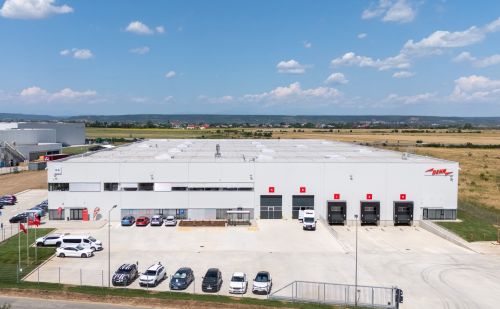
In this context, one of the simplest and most effective solutions is beginning to attract the attention of specialists: white or reflective roofs. The concept is straightforward — light-colored surfaces reflect a significant portion of solar radiation, reducing heat accumulation in buildings and across the urban environment.
International studies show that the surface temperatures of white roofs can be dozens of degrees lower compared to traditional dark-colored roofs. This difference reduces the need for air conditioning and consequently lowers energy consumption during the hot season.
Cities such as Los Angeles, Athens, and New York have already started implementing public policies that encourage the use of reflective roofs in new developments. In some cases, authorities provide financial incentives for upgrading existing buildings.
In Romania, the concept is almost absent from public debate and construction regulations. Most urban developments continue to use materials that strongly absorb heat, amplifying thermal discomfort and dependence on air conditioning.
Urban climate specialists warn that solutions for overheating cities do not rely solely on sophisticated technologies, but also on seemingly simple measures: reflective colors, urban vegetation, shading, and climate-adapted materials.
In the long term, climate change could transform reflective roofs from a technical option into an urban necessity. At a time when cities are searching for rapid solutions to reduce temperatures and energy consumption, one of the most effective ideas may also be one of the simplest.
(Photo: Magnific)
aflat
read