900

autor
infoConstruct
distribuie


publicat
2026 May 11
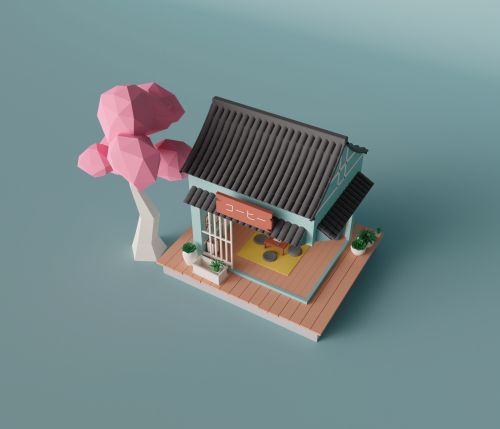
3D-printed construction has evolved in recent years from a technological experiment to real residential projects developed in Europe and the United States. Germany, Denmark, Ireland, and Luxembourg are among the countries already testing homes built using giant industrial printers capable of “printing” concrete walls in just a few days.
The main advantage cited by developers is the reduction in construction time. In Ireland, the first 3D-printed houses intended for social housing had their wall structures completed in approximately 12 days, significantly faster than conventional construction.
Costs vary depending on size, materials, and level of finishing, but many European projects indicate significant savings in labor and a reduction in material waste. Some industry estimates suggest that the technology can reduce total costs by 20–40% compared to traditional construction.
In Denmark, the largest 3D-printed residential project in Europe has recently been completed, consisting of 36 student apartments, while in Germany developers are already testing large-scale multifamily projects.
However, the technology is not yet ready to replace conventional construction methods. Equipment costs remain high, and legislation in many European countries is not yet fully adapted to enable the rapid permitting of such projects. In addition, most 3D-printed homes still rely on concrete, a material criticized for its high carbon footprint.
Nevertheless, the industry is evolving rapidly. In Japan and the United States, experimental projects are already emerging that use soil-based mixtures or recycled materials to reduce environmental impact.
In Romania, 3D-printed construction is still at an early stage, but industry specialists estimate that the technology could become relevant within the next 5 to 10 years, particularly for modular housing, rapid construction, and social projects. In the context of labor shortages in the construction sector and rising material costs, automation could become an increasingly attractive solution.
(Photo: Magnific)
aflat
read