564

autor
infoConstruct
distribuie


publicat
2026 April 15
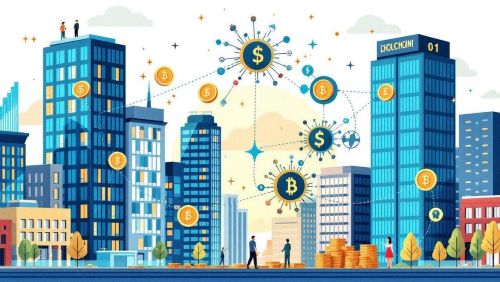
Buildings are no longer just spaces constructed for living or economic activity. In a context dominated by digitalization and the pressure for energy efficiency, they are beginning to take on a new role: that of active participants in the economy.
The integration of smart systems, local energy production, and smart grid networks creates the possibility for a building to manage its resources autonomously. Photovoltaic panels, storage systems, and optimization algorithms enable not only reduced consumption, but also the generation of surplus. This surplus is no longer wasted, but can be monetized.
The emerging concept is that of automated trading. A building can sell energy to the grid when prices are favorable and purchase it at optimal times, without human intervention. Decision-making no longer belongs exclusively to the owner, but is delegated to systems that analyze real-time data: consumption, production, prices, and demand.
This shift moves the paradigm from efficiency toward economic autonomy. The building is no longer just a cost center, but can become a source of revenue. At the same time, the relationship between owner and asset is changing. Direct control is gradually replaced by trust in algorithms.
The implications are multiple. The real estate market may begin to assess not only location and surface area, but also a building’s ability to generate financial flows. At the same time, questions arise regarding regulation, cybersecurity, and decision-making accountability.
This is not a distant scenario, but an evolution already taking shape at an experimental level. The difference will be made by the speed at which these systems are integrated at scale.
In the future, buildings will no longer just consume resources. They will manage them—and, under certain conditions, transform them into economic value.
(Photo: AI GENERATED)
aflat
read