799

autor
infoConstruct
distribuie


publicat
2026 April 16
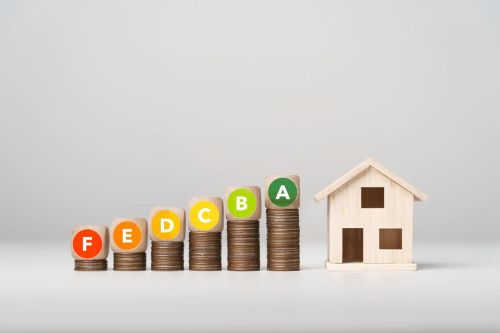
The efficiency of a home is not always visible, but it is directly reflected in costs and comfort. The differences between two similar homes can be significant, depending on insulation, systems, and usage patterns.
A simple test can provide an indicative assessment: how well is the home insulated? What type of heating system is used? Are there visible heat losses? Are energy-efficient appliances in use?
The answers outline an efficiency score: low, medium, or high. In most cases, losses do not come from a single source, but from a combination of factors: windows, roof, installations, or ventilation.
Industry data shows that an inefficient home can have energy costs 30–50% higher than an optimized one. At the same time, thermal comfort is directly affected.
Improvements do not always require major investments. Certain adjustments—sealing, system calibration, or consumption optimization—can generate quick results.
Efficiency is not just a technical characteristic, but an economic indicator. The better it is managed, the more predictable the costs become.
The test does not provide a final result, but a starting point. In a context where energy is becoming increasingly expensive, efficiency is no longer optional, but necessary.
(Photo: AI GENERATED)
aflat
read