658

autor
infoConstruct
distribuie


publicat
2026 April 27
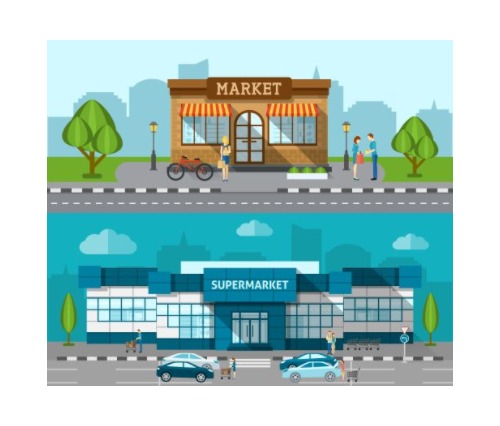
The cities of the future could produce part of their own food.
As agricultural land comes under increasing pressure from climate change, urbanization, and rising logistics costs, the construction industry is exploring the integration of agriculture directly into buildings.
Vertical farming is the most visible example.
Vegetables, fruits, and aromatic plants are being grown in spaces integrated into commercial or residential buildings.
Hydroponic and aeroponic technologies make production possible without soil.
Water is used far more efficiently than in traditional agriculture.
In some projects, urban farms are integrated into shopping malls, office buildings, or residential developments.
The objective is to reduce transportation needs and increase urban self-sufficiency.
In densely populated areas, this model is becoming increasingly attractive.
Logistics costs decline.
Products can reach consumers extremely quickly.
However, significant challenges remain.
Energy costs are high.
Scaling the model is still limited.
Not all types of products can be efficiently grown in such systems.
Even so, global investments are increasing.
Venture capital funds are aggressively financing the sector.
For real estate developers, integrated agriculture could become a competitive advantage.
For cities, it could reduce vulnerabilities in food supply chains.
In the future, buildings may no longer serve solely as spaces for living or working.
They could also become part of food infrastructure.
(Photo: Freepik)
aflat
read