657

autor
infoConstruct
distribuie


publicat
2026 March 19
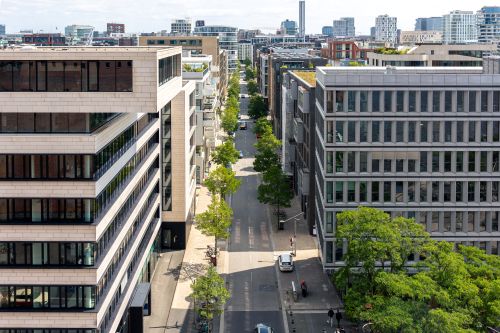
In major European cities, the concept of buildings without parking is gaining traction, driven by changes in mobility and increasing pressure for more efficient use of urban space.
The reduced dependence on private cars, the development of public transport, the expansion of ride-sharing services, and the rise of alternative mobility—such as bicycles, scooters, and car-sharing—are leading to a reassessment of the role of parking in real estate projects.
For developers, eliminating or reducing parking spaces can bring significant economic advantages. Construction costs decrease substantially, especially in the case of underground parking, while the freed-up space can be used for additional built areas or shared amenities.
At the same time, this model is particularly viable in areas well connected to transport infrastructure. Without easy access to mobility alternatives, projects without parking may face challenges in attracting buyers or tenants.
Local authorities are also beginning to encourage this type of development through urban planning regulations that limit the number of parking spaces or promote sustainable mobility solutions.
Thus, buildings without parking reflect a broader shift in how cities are designed. Mobility is becoming a central element of real estate development, and future projects will increasingly integrate these new urban behaviors.
(Photo: Freepik)
aflat
read