713

autor
infoConstruct
distribuie


publicat
2026 February 12
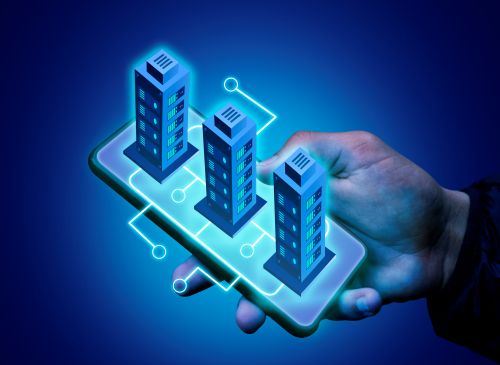
Digitalization is rapidly transforming the construction sector, and the integration of IoT (Internet of Things) technologies is becoming a central element of modern design. Smart buildings are no longer a niche, but a strategic direction for energy efficiency, safety, and comfort.
IoT systems enable the connection and real-time monitoring of lighting, climate control, security, and energy consumption installations. Through sensors and digital platforms, buildings can automatically optimize resources and reduce operational costs.
Companies specialized in smart building solutions are developing integrated systems from the design phase, not merely as later upgrades. Architects and engineers collaborate with technology providers to create infrastructures compatible with digital building management.
The benefits are clear: higher energy efficiency, predictive maintenance, enhanced safety, and improved user experience. In the commercial sector, these advantages directly influence property value and attractiveness for tenants.
However, IoT integration involves additional investments and requires standardization and cybersecurity. Data management becomes a critical component of building operations.
In the medium term, smart buildings will become the standard in new projects, especially in office spaces and premium residential developments. IoT technology is transforming constructions from passive structures into active systems capable of adapting in real time to users’ needs and environmental conditions.
(Photo: Freepik)
aflat
read