659

autor
infoConstruct
distribuie


publicat
2026 May 08
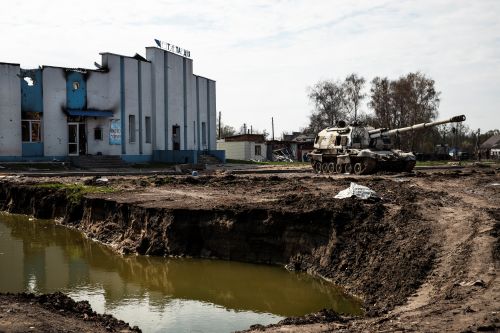
Climate change and natural risks are driving a paradigm shift in construction. Buildings are no longer designed solely for functionality and cost, but for resilience.
The data clearly indicates the direction. According to UNDRR, economic losses caused by natural disasters exceed USD 300 billion annually. In Europe, seismic risk and flooding are becoming essential factors in design.
Modern technologies enable the adaptation of buildings to these risks. In seismic areas, base isolators and flexible structures reduce the impact of earthquakes. Japan is a leader in this field, where buildings are designed to absorb seismic energy.
In flood-prone areas, solutions include elevated foundations, water-resistant materials, and integrated drainage systems. In the Netherlands, the concept of “floating buildings” is already being implemented in certain residential projects.
Materials play a critical role. High-performance concrete, flexible steel, and advanced composites increase structural resilience. At the same time, digital simulations allow buildings to be tested under extreme scenarios before construction.
The major challenge remains cost. Resilient construction is more expensive initially, but reduces long-term losses. According to the World Bank, every dollar invested in prevention can save up to four dollars in damages.
Disaster-optimized construction is no longer an option. It is becoming the standard in a world where risk is increasingly present.
(Photo: Magnific)
aflat
read