1024

autor
infoConstruct
distribuie


publicat
2025 December 08
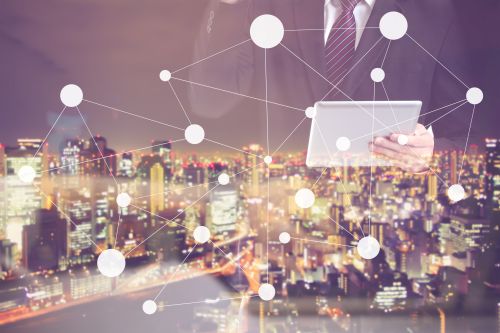
The Digital Twin concept—a precise virtual replica of a building or infrastructure asset—is emerging as one of the most transformative technologies in the global construction industry. Internationally, cities such as Singapore, Helsinki and Rotterdam already use digital twins to monitor buildings, roads and utility networks in real time.
How does a Digital Twin work?
A Digital Twin integrates data from sensors, BIM models, AI algorithms and operational records to generate a virtual copy of a physical asset. This model can predict defects, calculate energy consumption, simulate structural behaviour and evaluate the impact of future interventions.
Why is it important for Romania?
Romania manages a vast stock of ageing infrastructure: bridges, schools, hospitals, water networks and road systems. Implementing digital twins could help:
- anticipate structural collapse risks;
- reduce water losses in distribution networks;
- optimise the energy consumption of public buildings;
- improve urban planning through scenario-based simulations.
Where could we see the first applications?
- monitoring of national road and motorway bridges;
- digitalisation of administrative buildings renovated through PNRR;
- real-time supervision of district heating systems in major cities.
Current barriers
Digital infrastructure remains insufficient, and the workforce specialised in BIM and IoT is still limited. However, interest from public authorities is growing as European funding for digitalisation becomes increasingly accessible.
Digital Twins represent one of the most promising directions for modernising Romania’s infrastructure. Investing in this technology could reduce long-term costs while significantly increasing public safety.
(Photo: Freepik)
aflat
read