736

autor
infoConstruct
distribuie


publicat
2026 May 05
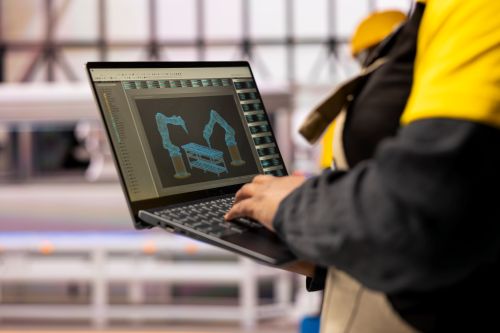
The concept of a “digital material passport” is becoming increasingly present in the construction industry, driven by pressures related to sustainability, recycling, and compliance. Each component of a building can have a digital identity containing information about its origin, composition, performance, and life cycle.
At the European level, the initiative is supported through programs such as the “Digital Product Passport,” part of the EU’s circular economy strategy. According to the European Commission, this system will become mandatory for several product categories by 2030, including construction materials.
From a technical perspective, the digital passport is integrated into BIM systems and can be accessed through QR codes, RFID, or blockchain platforms. It enables the tracking of materials from production to demolition, facilitating reuse and recycling.
The benefits are significant. According to a study by the World Economic Forum (2022), digital traceability can reduce construction waste by up to 20% and increase the rate of material reuse. At the same time, it provides transparency in the supply chain and simplifies compliance processes.
The challenges relate to standardization and costs. Implementing digital systems requires initial investments and interoperability between platforms. In addition, there are risks related to data security and access to sensitive information.
Materials with a digital identity transform construction from a static system into a transparent ecosystem, where each component becomes a monitored and managed element throughout its entire life cycle.
(Photo: Magnific)
aflat
read