575

autor
infoConstruct
distribuie


publicat
2026 April 28
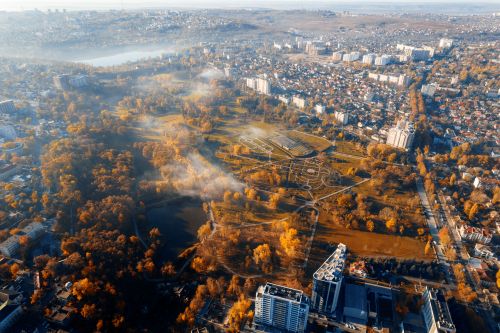
Europe is facing increasingly longer and more intense summers, and heatwaves are rapidly transforming the way cities are designed.
In recent years, extreme temperatures have affected urban infrastructure across southern and western Europe.
Roads are deteriorating more quickly, power grids are becoming overloaded, and older buildings are growing increasingly energy inefficient.
The construction industry is responding by developing the concept of the “climate-resilient city.”
This approach involves the use of reflective materials for roofs and façades, permeable surfaces that reduce heat accumulation, and the large-scale integration of green spaces.
An increasing number of projects now include urban ventilation corridors, smart shading systems, and passive cooling technologies.
In cities such as Paris, Madrid, and Athens, urban adaptation programs for extreme temperatures are already being implemented.
New buildings are being designed for reduced energy consumption even during severe heatwaves.
Pressure is also coming from the insurance and real estate sectors, where climate risks are increasingly influencing asset values.
For developers, climate adaptation is becoming an economic necessity.
For public administrations, it is a public health issue.
In the future, the most competitive cities will not simply be the most modern.
They will be the cities where people can live comfortably even under extreme climate conditions.
(Photo: Freepik)
aflat
read