690

autor
infoConstruct
distribuie


publicat
2026 April 23
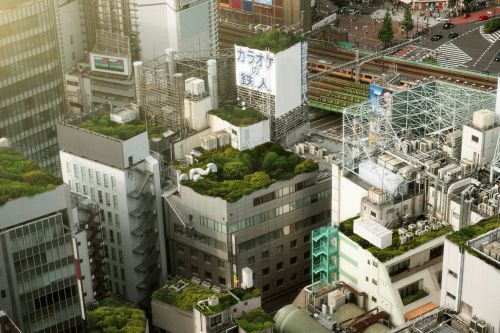
Modern cities are facing a simple limitation: lack of space.
As urban density increases, infrastructure is beginning to move vertically. Functions that were traditionally distributed horizontally are increasingly being integrated into buildings.
Vertical farms produce food inside buildings. Urban logistics centers use automated vertical storage systems. Parking facilities are becoming robotic towers.
This transformation is occurring especially in cities where land is extremely expensive and population density is high.
The model is also changing building architecture. Future projects must integrate energy, logistics, production, and housing within the same structure.
The advantages are clear: reduced transportation, more efficient land use, and increased urban autonomy.
However, the challenges are significant: high costs, energy consumption, and the need to adapt urban legislation.
For developers, verticalization creates new business models.
For cities, it can become a structural solution.
In the future, the difference between buildings and infrastructure will become increasingly smaller.
Cities will not expand only horizontally. They will continue to grow upward.
(Photo: Freepik)
aflat
read