918

autor
infoConstruct
distribuie


publicat
2025 December 05
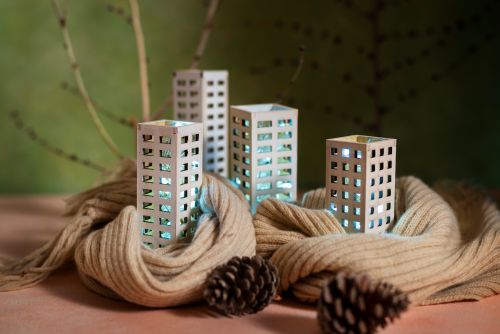
In 2025, the thermal rehabilitation of residential apartment blocks remains one of the key priorities assumed by both local and central authorities, particularly through the funding available from the NRRP and regional operational programmes. According to data from the Ministry of Development (MDLPA), more than 1,100 energy-efficiency projects for residential buildings are currently under implementation, with a total budget exceeding 5 billion lei.
The benefits of rehabilitation are substantial: a 30–50% reduction in thermal energy consumption, lower maintenance costs, and improved comfort for residents. At the same time, NZEB standards (Nearly Zero Energy Buildings), applicable also to renovated buildings, require a high level of energy performance, which adds pressure on designers and construction companies.
The main difficulties encountered in implementation are related to rising material costs, the shortage of specialised labour, and the bureaucracy associated with the permitting process. Additionally, the limited involvement of homeowners’ associations and disagreements regarding co-financing slow down the progress of certain projects. According to an analysis conducted by the World Bank, early involvement of beneficiaries and the simplification of procedures can increase on-time completion rates by 20%.
Thermal rehabilitation is not merely a technical intervention but a complex social and economic process. The success of these programmes depends on cooperation between public administration, the private sector, and local communities.
(Photo: Freepik)
aflat
read