530

autor
infoConstruct
distribuie


publicat
2026 March 30
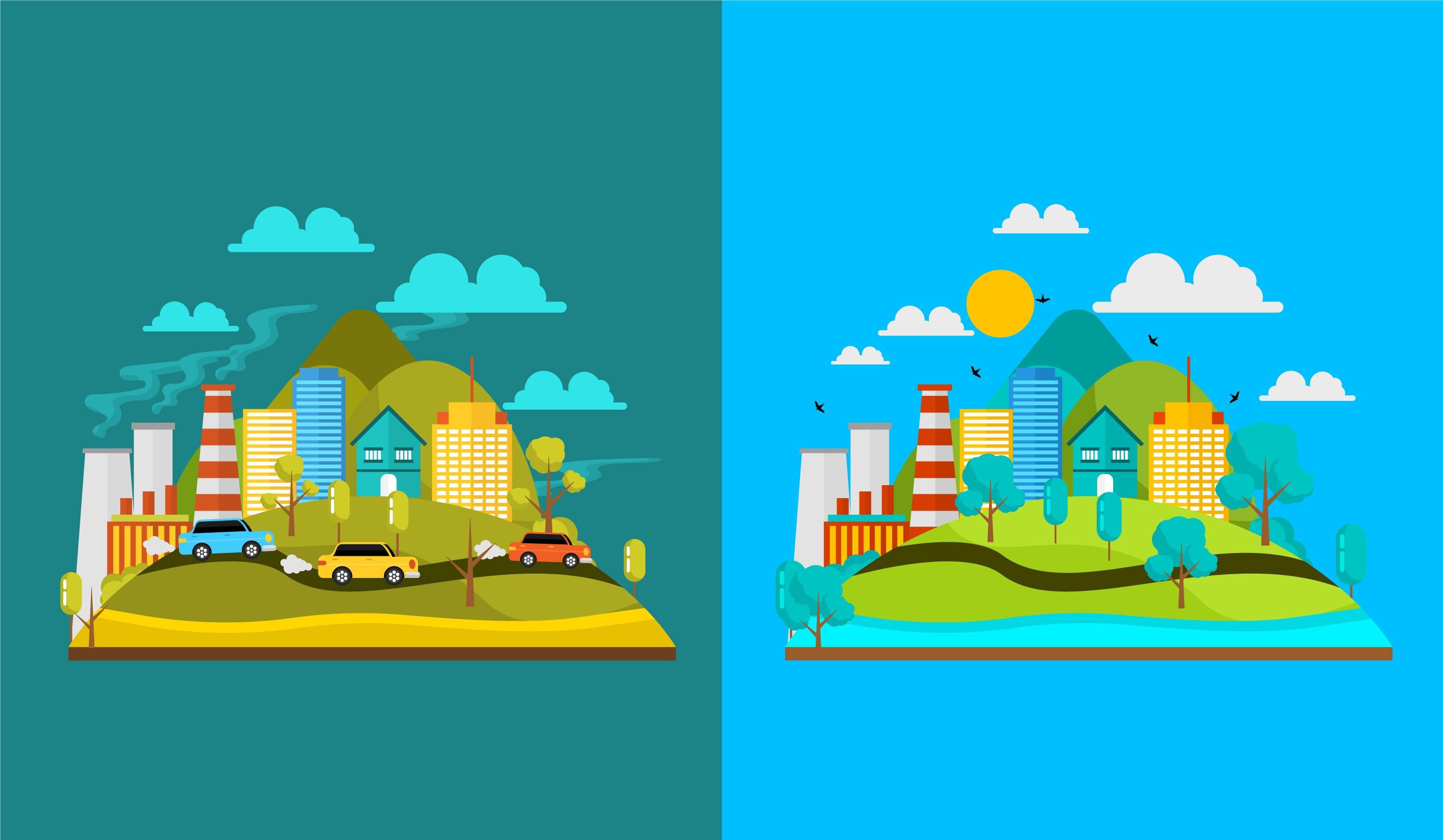
Climate change is fundamentally transforming the way cities are designed. Adaptive urban planning is becoming a necessity rather than an option, as the frequency of extreme events—floods, heatwaves, and storms—continues to rise.
The concept of urban resilience involves integrating climate risks from the earliest planning stages. Solutions include expanded green spaces, smart drainage systems, reflective materials, and infrastructure capable of managing extreme temperatures.
A central element is water management. Modern cities are incorporating solutions such as rainwater retention and reuse, reducing pressure on traditional infrastructure networks.
From an economic perspective, initial investments are higher, but long-term costs are significantly reduced. International studies show that every euro invested in prevention can generate multiple savings in reconstruction.
For authorities and developers, the challenge lies in integrating these solutions into regulations and concrete projects. In an increasingly unstable climate context, resilient cities are becoming both a competitive advantage and a social necessity.
(Photo: Freepik)
aflat
read