603

autor
infoConstruct
distribuie


publicat
2026 April 29

On the surface, the construction market appears to be booming.
Romania has billions of euros available through the National Recovery and Resilience Plan (PNRR), European funds, and major public infrastructure projects.
In reality, however, an increasing number of construction companies are entering a dangerous zone of liquidity shortage.
According to Coface Romania, the number of insolvencies rose across several sectors in 2025, with construction remaining among the most vulnerable due to delayed payments and volatile costs.
Construction materials have become significantly more expensive in recent years, and many contracts signed before the inflationary wave have turned unprofitable.
The main issue is cash flow.
Contractors pay wages, materials, and subcontractors upfront, but often collect payments only after 60 to 120 days.
In public projects, administrative delays further worsen the situation.
Many entrepreneurs avoid speaking publicly about the issue, as they risk losing financing or contracts.
Specialists warn that 2026 could bring aggressive consolidation in the market: large companies will absorb smaller players that can no longer withstand financial pressure.
The construction boom therefore hides a much more fragile reality than it appears at first glance.
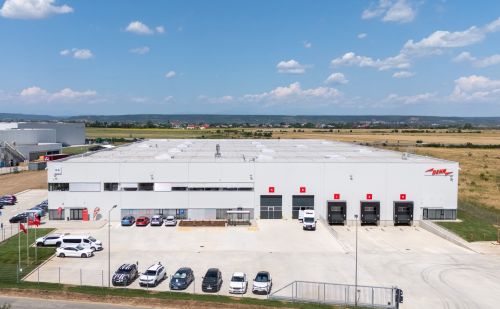
(Photo: Magnific)
aflat
read