725

autor
infoConstruct
distribuie


publicat
2026 April 20
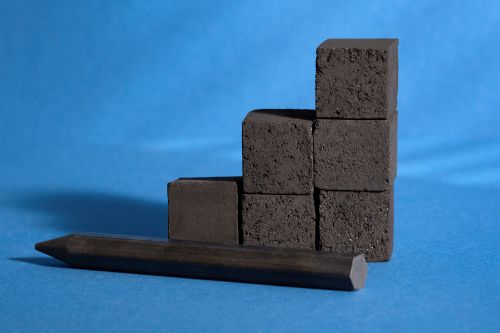
Concrete is often associated with high emissions, yet new technological directions are changing this perspective. New materials are emerging that can not only reduce climate impact, but also store carbon within their structure.
The concept is based on new types of cement, mineralization processes and technologies through which carbon dioxide is captured and integrated into the material during production. Carbon is no longer only emitted; it can become part of the structure.
This shift moves the discussion from reducing impact to making an active contribution. A building is no longer just a consumer of resources; it can become a climate instrument.
Interest in these solutions is growing in the context of decarbonization pressure in construction, one of the sectors with major impact on global emissions.
The challenge remains scaling. The technology exists, but costs, standardization and large-scale integration are still evolving.
For the market, the implication is significant. The value of a building could, over time, be assessed not only through energy performance, but also through its capacity to incorporate carbon.
This perspective also changes the role of materials themselves. Concrete is no longer just structure. It can become part of the climate solution.
In the construction of the future, performance will be measured not only in strength, but also in the carbon a building can retain.
(Photo: Freepik)
aflat
read