902

autor
infoConstruct
distribuie


publicat
2026 January 30
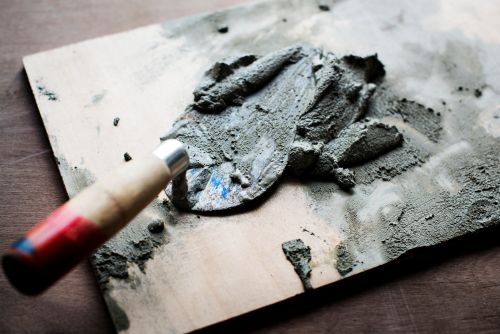
In practice, concrete is often treated as a standard material, defined solely by its strength class. In reality, the concrete “mix design” has a decisive influence on structural behavior, durability, and the long-term performance of a building.
The strength class (for example C25/30, C30/37) indicates only compressive strength capacity, not how concrete behaves over time. The water–cement ratio is a critical factor: an excessively high ratio reduces strength and increases permeability, promoting cracking and reinforcement degradation.
Admixtures significantly modify concrete properties. Superplasticizers allow water reduction without loss of workability, increasing density and durability. Retarding or accelerating admixtures influence setting time and are critical for large pours or extreme temperature conditions. However, uncontrolled use of admixtures can lead to segregation or undesirable variations in strength.
The type of cement and aggregates used also have a major impact. Slag- or fly ash–based cements can improve durability in aggressive environments but require more careful curing control. Aggregates influence shrinkage behavior and crack development.
Concrete is not an inert material. Without a mix design adapted to service conditions, the strength class becomes irrelevant. True structural performance is built through composition, not merely through the figures specified in design documents.
(Photo: Freepik)
aflat
read