941

autor
infoConstruct
distribuie


publicat
2025 December 11
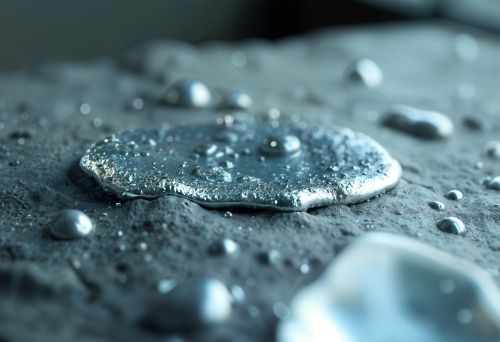
Against the backdrop of global decarbonization pressure, the construction industry is seeking materials that not only emit less CO₂, but can permanently bind it. One promising direction is represented by magnesium-based cements and concretes (MgO / carbonated products), which can absorb CO₂ during the hardening process and thus generate materials with a neutral or even negative carbon footprint.
What happens, in brief?
Traditionally, Portland cement emits CO₂ during limestone calcination and fuel combustion. Magnesium-based systems follow a different logic: instead of releasing CO₂, a substantial portion of it can be captured and mineralized in the form of magnesium carbonate (MgCO₃) during manufacturing or curing. This mineralization can be achieved through accelerated carbonation curing or by using magnesium precursors obtained from alternative sources (for example, seawater or ultramafic rock) that bind CO₂ as part of the technological process.
Why magnesium?
Magnesium-based materials offer several key advantages:
- Capacity to capture CO₂ in the form of a stable carbonate (durable mineral sequestration);
- Good mechanical performance: studies show that, when cured in a CO₂-rich environment, magnesium-based concrete can achieve strengths comparable to or even superior to certain Portland cement formulations. Thus, carbonation not only reduces emissions but can also enhance material properties.
Examples of processes and pilot projects
Several research efforts and projects are exploring these pathways:
- Production from seawater or silicates: published research demonstrates the possibility of extracting Mg(OH)₂ from seawater and subsequently converting it into binders that capture CO₂, creating a production chain with a favorable carbon balance. This approach has been demonstrated in studies proposing a carbon-negative pathway for construction materials.
- European projects and industrial pilots: EU-funded initiatives are investigating the use of magnesium from ultramafic rocks and manufacturing processes that eliminate emissions associated with raw material decarbonation, aiming to produce magnesium-based hydraulic binders with a low or negative carbon footprint. A recent European-funded project is exploring precisely these routes.
- Accelerated carbonation curing tests: laboratories and companies have demonstrated that CO₂ curing can rapidly transform MgO into stable carbonate, both fixing CO₂ and improving the microstructure and durability of the material.
Storage potential and large-scale impact
Recent studies indicate that, if conventional materials are widely replaced with CO₂-storing alternatives (including magnesium-based and other carbonatable materials), the construction sector could become a durable CO₂ sink at the gigaton scale. Broad analyses show significant storage potential when alternative materials are integrated at scale into infrastructure.
Remaining challenges
Despite solid prospects, real obstacles remain before the technology becomes commercially mature:
- Source and cost of MgO: producing magnesium or magnesium oxide at competitive energy costs and large volumes remains challenging; some routes require processing ultramafic rocks or extraction from seawater, processes that must be optimized and scaled.
- Standards and regulations: design, execution, and certification standards for magnesium-based binders need harmonization; RILEM and other bodies are studying long-term performance and durability.
- Process economics: the energy efficiency of processing steps and compatibility with existing logistics chains must be demonstrated to achieve cost competitiveness.
What this means for designers and developers
For architects, engineers, and public authorities, magnesium-based cements offer a dual opportunity: reducing project carbon footprints and using materials with superior durability and resistance to certain chemical aggressions. Early beneficiaries will be pilot projects, green infrastructure, and public works with ambitious sustainability requirements.
Magnesium-based cement and processes that transform CO₂ into magnesium carbonate promise a paradigm shift: not just “greener” materials, but structures that store CO₂. The technologies are already being tested in pilot projects and scientific studies; scaling requires investment in magnesium supply chains, standardization, and economic optimization of production. If these elements align, the buildings of the future could become part of the climate solution—not merely a source of emissions.
(Photo: Freepik)
aflat
read