712

autor
infoConstruct
distribuie


publicat
2026 March 10
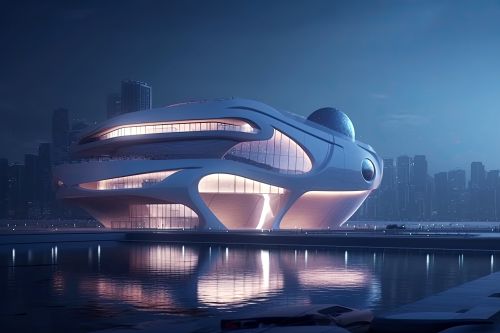
The construction sector is increasingly exploring technological solutions that can simplify the technical infrastructure of buildings. In this context, the concept of buildings without conventional installations is emerging, where some functions traditionally ensured by separate networks—such as heating, cooling, ventilation, or lighting—are integrated directly into the structure of construction materials.
This approach is based on the development of multifunctional materials and construction systems. For example, certain types of concrete or prefabricated panels can integrate pipes for radiant heating and cooling directly into floors or walls. In these systems, water circulates through networks embedded within the structural material, allowing the control of indoor temperature without radiators or conventional air conditioning units.
Another direction of development is the use of materials with advanced thermal properties, such as phase-change materials (PCM), capable of storing and releasing thermal energy depending on ambient temperature. These solutions can stabilize indoor temperatures and reduce the need for complex mechanical systems.
At the same time, research is exploring the integration of electrical networks and sensors directly into structural elements. Facade panels or modular elements may include wiring, monitoring sensors, and digital control systems, eliminating part of the conventional installations typically added after construction.
The main advantage of these solutions is the simplification of technical infrastructure and increased energy efficiency. By integrating functions directly into the building structure, energy losses, installation costs, and the space required for equipment can be reduced.
Although these technologies are still in stages of development and limited implementation, they reflect an important direction for the future of construction: buildings designed as integrated systems, where structural materials simultaneously fulfill architectural, energy, and technological roles.
(Photo: Freepik)
aflat
read