557

autor
infoConstruct
distribuie


publicat
2026 March 25
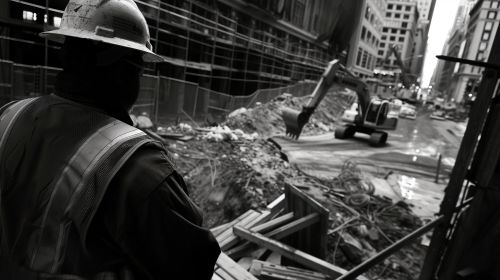
In a context marked by the intensification of natural risks, disaster-resilient construction is becoming a strategic pillar of urban development. Earthquakes, floods, and landslides can no longer be treated as exceptions, but as variables integrated into the design process.
Emerging technologies are fundamentally changing the approach. Base isolation systems allow buildings to “float” during an earthquake, reducing the transfer of energy to the structure. At the same time, seismic dampers dissipate forces, limiting damage. In flood-prone areas, solutions include elevated foundations, hydrophobic materials, and intelligent drainage systems.
Another major advancement is the use of smart materials—such as self-healing concrete and flexible composites—which extend lifespan and reduce post-disaster maintenance costs.
Comparative studies show clear differences: initial investments in resilient technologies can increase construction costs by 5–15%, but they can reduce potential losses by up to 70% in the event of a major disaster. In practical terms, the cost of prevention is significantly lower than that of reconstruction.
For developers and authorities, the challenge is no longer whether to adopt these solutions, but how quickly they can do so. Their integration is not only about regulatory compliance, but also about protecting long-term value.
The buildings of the future will not only be energy-efficient, but also resilient. The difference will be made by technology integrated from the design stage.
(Photo: Freepik)
aflat
read