613

autor
infoConstruct
distribuie


publicat
2026 February 03
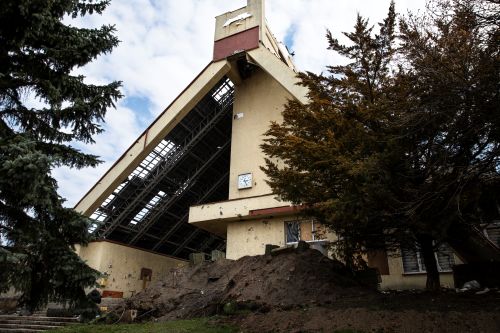
Cracks appearing in new buildings are often perceived as serious defects, although not all of them indicate structural problems. In reality, cracking is the result of the interaction between soil, structure, materials, and execution, rather than an isolated phenomenon.
The first factor is the soil. Differential settlements, caused by incomplete or superficially interpreted geotechnical studies, generate unforeseen stresses within the structure. Even settlements of only a few millimeters can produce cracks in walls or slabs, particularly in rigid buildings.
The second factor is time. Concrete shrinks as it dries, and new materials continue to “work” during the first years of service. The absence of expansion joints, uncontrolled concrete pours, or rushed application of finishes lead to premature cracking, often mistaken for structural defects.
Execution plays a decisive role. Incorrectly placed reinforcement, concrete poured under unsuitable conditions, overly rigid formwork, or neglected detailing amplify internal stresses. In many cases, the design is correct, but execution fails to comply with the assumptions used in structural calculations.
Cracks are not an automatic failure of design, but a signal. They indicate where the soil–structure–material–execution chain has broken. In construction, quality is not judged solely at handover, but in long-term performance.
(Photo: Freepik)
aflat
read