681

autor
infoConstruct
distribuie


publicat
2026 March 12
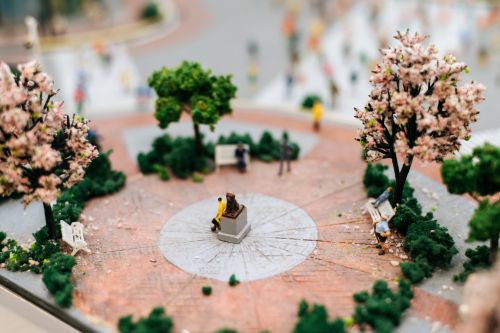
In recent decades, urban development has been strongly shaped by infrastructure, office buildings, and residential projects. Today, however, an increasing number of urban planners and local administrations recognize the essential role that public spaces play in the economic and social transformation of cities.
Urban squares, parks, promenades, and pedestrian areas are no longer viewed merely as decorative elements of the city. Instead, they are becoming essential urban infrastructures capable of stimulating economic activity, improving the quality of the urban environment, and strengthening local communities.
Numerous urban studies show that areas with well-designed public spaces tend to attract greater economic and commercial activity. Cafés, restaurants, shops, and cultural events often develop around squares or pedestrian zones, transforming these spaces into active centers of urban life.
A relevant example is the transformation of many European historic city centers into pedestrian zones. Cities such as Copenhagen, Vienna, and Madrid have invested heavily in expanding areas dedicated to pedestrians and cyclists, reducing car traffic in central districts. The result has been increased tourist attractiveness and the revitalization of commercial activity.
Beyond their economic impact, public spaces also play an important role in urban health and environmental quality. Parks and green areas contribute to reducing pollution, improving the urban microclimate, and providing residents with spaces for recreation and social interaction.
In the context of accelerated urbanization, cities that invest in high-quality public spaces become more attractive both for residents and for investors. As a result, squares, parks, and pedestrian areas are no longer simply aesthetic elements of the urban landscape, but strategic components of modern urban development.
(Photo: Freepik)
aflat
read