692

autor
infoConstruct
distribuie


publicat
2026 April 14
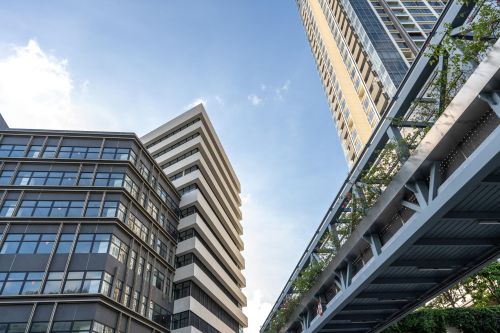
In densely developed cities, essential resources are no longer limited to space or location, but include access to natural light and quality air. As buildings become taller and closer together, these elements begin to acquire economic value.
The concept of the “right to light” already exists in certain developed markets, where regulations limit how new constructions can affect the access to light of existing buildings. At the same time, the notion of “air rights” allows for the trading of airspace above properties.
These mechanisms reflect a profound shift: what was once considered implicit is becoming negotiable. Light, air, and openness are no longer guaranteed, but depend on the urban context and economic power.
For residents, the differences are already visible. Apartments with good exposure and natural ventilation command significantly higher values. In densely populated areas, the lack of these elements affects not only comfort, but also health.
From an urban planning perspective, the challenge is balance. Dense development is necessary, but without coherent planning, it can generate imbalances that are difficult to correct.
In the long term, access to light and air may become explicitly integrated into property value, even in the form of direct or indirect costs.
The city of the future will not only charge for occupied space, but also for the quality of the environment in which we live.
(Photo: AI GENERATED)
aflat
read