689

autor
infoConstruct
distribuie


publicat
2026 March 03
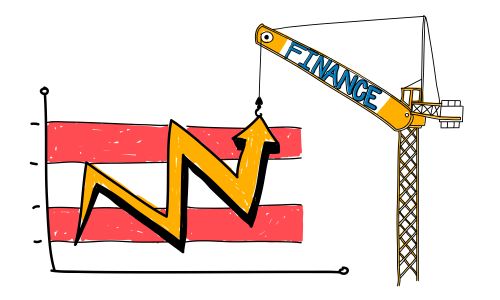
Major infrastructure projects involve not only technical execution, but also significant legal risk. Contractual disputes between contracting authorities and contractors are frequent in large-scale projects, particularly in the context of rising material costs and legislative changes in recent years.
Public works contracts, often based on FIDIC models, include claim mechanisms for price adjustments, time extensions, and compensation. During periods of economic volatility, differences in the interpretation of contractual clauses may lead to arbitration or court proceedings. These procedures can last for years and may block the financial flows associated with the projects.
According to European practice in infrastructure, disputes generate substantial indirect costs: penalties, delays, technical reassessments, and opportunity losses. In some cases, disputes temporarily suspend works, affecting the timetable for the absorption of European funds.
In Romania, the increase in the volume of public investment amplifies exposure to such risks. Lack of clarity in initial documentation, insufficiently substantiated estimates, and successive project modifications are recurring triggering factors.
The “hidden cost” of litigation is reflected not only in court budgets or legal fees, but also in the postponement of the economic benefits generated by infrastructure. To reduce risk, solid technical documentation, efficient amicable dispute resolution mechanisms, and professional contract management are essential.
(Photo: Freepik)
aflat
read