897

autor
infoConstruct
distribuie


publicat
2025 December 15
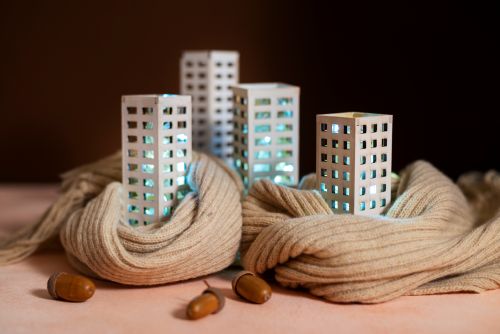
Energy efficiency no longer depends exclusively on sophisticated installations. A new generation of construction materials with adaptive behavior is beginning to play an important role in reducing energy consumption, without mechanical or electronic components.
What materials with adaptive behavior are These materials modify their physical properties depending on environmental conditions such as temperature or humidity. They do not “think,” but they naturally respond to external stimuli, contributing to indoor comfort.
Examples already in use Phase change materials (PCM) integrated into plasters or panels, which absorb excess heat during the day and release it at night Hygroscopic plasters that regulate indoor humidity through absorption and gradual release Intelligent ventilated façades, which change their thermal behavior depending on solar radiation Materials with high thermal inertia, strategically used to stabilize indoor temperatures
Why they are important for today’s buildings These solutions reduce heating and cooling demand, lower consumption peaks, and increase comfort without additional energy use. Unlike active systems, they require no maintenance and function throughout the entire lifespan of the building.
The link with NZEB standards In nearly zero-energy buildings, every passive gain matters. Adaptive materials allow energy performance optimization without complicating building services, making them ideal for housing, schools, and office buildings.
The buildings of the future will not rely solely on equipment, but also on materials that work together with the environment. The integration of materials with adaptive behavior marks the transition from passive buildings to buildings that are intelligent through their very structure.
(Photo: Freepik)
aflat
read