872

autor
infoConstruct
distribuie


publicat
2025 December 18
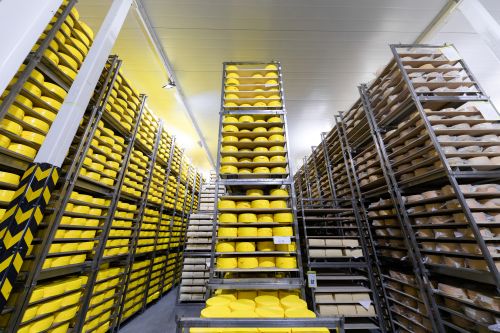
The food industry imposes some of the most severe operating conditions on industrial buildings. Frequent washdowns, chemical cleaning agents, temperature fluctuations, and high humidity turn these spaces into aggressive environments for which conventional construction materials are often unsuitable.
Flooring is the first element affected. Standard, unprotected concrete is vulnerable to chemical attack and cracking. In modern facilities, epoxy- or polyurethane-based systems are used, specifically formulated to resist acids, fats, and thermal shock. The choice of system depends on the technological process, not on aesthetic criteria.
Walls and ceilings require smooth, non-absorbent, and easy-to-clean materials that prevent dirt accumulation and microbial growth. Sandwich panels with protected steel facings or special mineral finishes are preferred over traditional plasters. In areas subject to intensive washdown, additional protection at the base and corners is mandatory.
Another frequently overlooked aspect is the chemical compatibility between construction materials and the cleaning substances used. Alkaline or acidic detergents can rapidly degrade unsuitable materials, generating high maintenance costs and contamination risks.
In Western Europe, material selection for the food industry is treated as an integral part of the technological design. In Romania, this decision is often left until the final stage or reduced to minimizing initial costs. The result is infrastructure that deteriorates rapidly and requires frequent repairs.
Materials designed for aggressive environments are not a luxury, but a prerequisite for the safe and durable operation of industrial buildings in the food sector.
(Photo: Freepik)
aflat
read