881

autor
infoConstruct
distribuie


publicat
2026 February 26
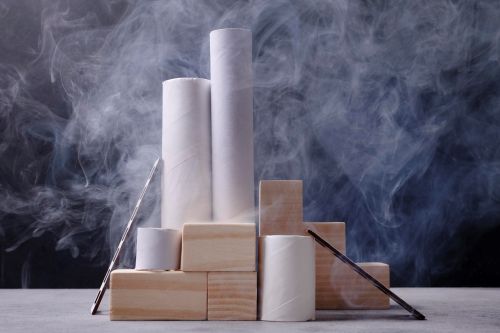
The construction industry is entering a phase of transformation driven by environmental regulations, energy efficiency, and digitalization. Not all traditional materials will disappear completely, but some will lose their dominant role under technological and legislative pressure.
The first segment affected is that of materials with a high carbon footprint. Concrete and steel will remain essential, but traditional formulas will gradually be replaced by low-emission, recycled, or structurally optimized alternatives. Industrial production is already shifting toward materials with lower climate impact.
Another segment undergoing change is that of traditional insulation materials. As energy standards become stricter, materials with low thermal performance will be eliminated from new projects. Modern solutions—composites, bio-based materials, or prefabricated systems—will gain ground.
Materials with a short lifespan or high maintenance costs will also be replaced. Buildings are increasingly evaluated based on operating costs, not just construction costs.
At the same time, the industrialization of construction favors standardized components, prefabrication, and modular systems. Materials that are difficult to integrate into industrial processes will lose competitiveness.
The shift will not be abrupt, but gradual. Over the next 15 years, the market will not eliminate materials outright, but will filter them: those that are energy-efficient, recyclable, and compatible with industrial production will dominate.
For the sector, the key question is not “what will disappear completely,” but “what will become unprofitable.” The future of construction belongs to materials that reduce total lifecycle costs and respond to sustainability pressures.
(Photo: Freepik)
aflat
read