869

autor
infoConstruct
distribuie


publicat
2026 February 12
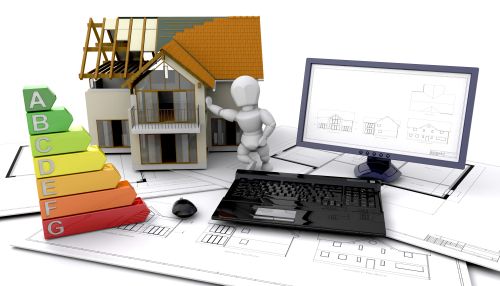
nZEB (nearly Zero Energy Buildings) standards have become mandatory for new constructions in the European Union, including Romania, fundamentally changing the way homes are designed and built. The objective is to reduce energy consumption and increase efficiency through integrated solutions for insulation, building systems, and energy generation.
In practice, the cost of building an nZEB house is higher than that of a conventional home, but the difference varies depending on the project and the technologies used. Energy auditors estimate an initial increase of approximately 8–15%, driven by high-performance materials, energy-efficient windows, ventilation systems with heat recovery, and the integration of renewable sources such as photovoltaic panels.
In the long term, however, these costs are offset by lower energy bills and the increased value of the property. Energy-efficient homes are more attractive to buyers and easier to finance through green programs.
European and national legislation impose strict standards regarding energy performance, and certification becomes an essential stage in the construction process. Developers must collaborate with energy efficiency specialists from the design phase.
The main challenges remain the initial cost and the lack of specialized workforce. At the same time, demand for efficient housing is increasing, amid rising energy prices and new regulations.
nZEB standards are no longer an option, but a mandatory direction. For the residential market, they mark the shift from construction focused on immediate cost to construction focused on long-term performance.
(Photo: Freepik)
aflat
read