829

autor
infoConstruct
distribuie


publicat
2026 February 10
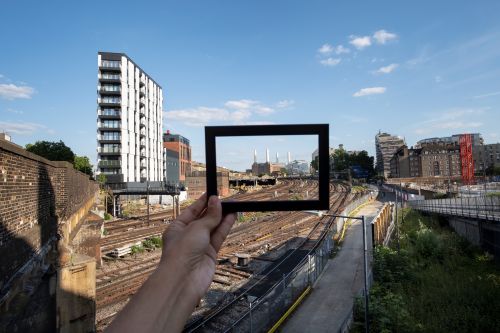
The construction sector is undergoing a structural shift: the renovation and rehabilitation of existing buildings are becoming just as important, if not more important, than new projects. The pressure of energy efficiency, European regulations, and the high cost of land are changing investment logic.
Existing buildings represent the largest share of the built environment, and their modernization is becoming an economic and environmental priority. Investments in insulation, efficient energy systems, and functional reconfigurations generate a stable market, less dependent on real estate cycles.
Renovation requires a different technical and financial approach than new construction. Projects are more complex, require interdisciplinary expertise, and demand more careful planning. At the same time, they create opportunities for specialized companies and for the development of new technologies.
For cities, rehabilitation becomes a development strategy. It reduces resource consumption, optimizes existing infrastructure, and contributes to urban quality of life. From an economic perspective, renovation provides stability for the sector and creates a constant flow of projects.
In the long term, the balance between new construction and renovation will redefine the market. Urban growth will rely not only on expansion, but also on the transformation of the existing building stock. In this context, companies that adapt their business models toward renovation will gain a clear competitive advantage.
(Photo: Freepik)
aflat
read