777

autor
infoConstruct
distribuie


publicat
2026 March 12
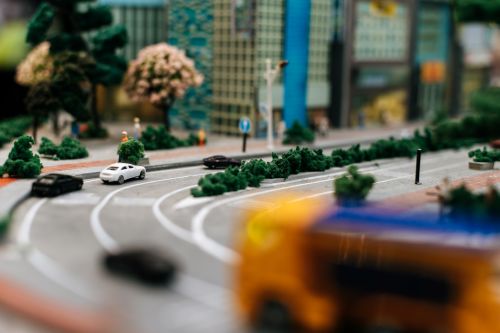
Contemporary urban planning is increasingly exploring the concept of the “15-minute city,” an urban development model in which housing, workplaces, essential services, and recreational spaces are accessible within approximately 15 minutes on foot or by bicycle. The idea has gained popularity over the past decade, particularly in European cities seeking to reduce dependence on car transport and improve urban quality of life.
The concept originates from a real challenge faced by modern metropolitan areas: the large distances between residential zones, workplaces, and urban services. In many cities, residents spend hours each day in traffic just to reach work or access basic services. The 15-minute city model proposes an urban reorganization in which the essential functions of daily life are distributed more evenly across neighborhoods.
Within this urban framework, neighborhoods become autonomous centers of activity, offering local shops, schools, coworking spaces, parks, and public services that are quickly accessible. As a result, urban mobility relies more on walking, cycling, and public transportation, reducing pressure on road infrastructure.
Several European cities have already begun integrating this concept into their urban development strategies. Paris is one of the most well-known examples, where local authorities have promoted the transformation of neighborhoods into multifunctional communities. Similar projects inspired by this model are also emerging in cities such as Barcelona, Milan, and Utrecht.
Beyond mobility benefits, the 15-minute city also contributes to the creation of more active and socially connected urban communities. The proximity of services encourages the local economy and supports the development of small businesses within neighborhoods.
In the long term, this urban model reflects a significant shift in the way cities are planned: the focus moves away from expanding road infrastructure toward creating more compact, functional, and resident-friendly urban spaces.
(Photo: Freepik)
aflat
read