735

autor
infoConstruct
distribuie


publicat
2026 February 23
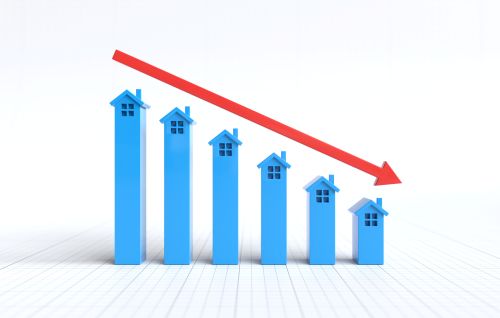
After a period of uncertainty driven by high interest rates and elevated construction costs, Romania’s residential market is entering 2026 in a phase of adjustment rather than blockage. The pace of development has slowed, but demand has not disappeared.
Market signals point to three clear directions:
1. Selective demand, not a general decline Buyers are more attentive to price, location, and energy efficiency. Well-positioned homes and projects with solid infrastructure sell faster.
2. Construction costs stabilize prices Materials and labor have remained at high levels, limiting price decreases. Developers prefer to slow the pace of new launches rather than sell below cost.
3. Shift toward secondary cities Brașov, Iași, Sibiu, Oradea, and Constanța are attracting increasing residential investment due to infrastructure and more accessible costs compared to Bucharest or Cluj.
Market segmentation is becoming evident:
- mass market – sensitive to credit conditions and interest rates;
- middle segment – focused on energy efficiency and quality;
- premium – stable, driven by investment and cash buyers.
The relaunch of the market largely depends on:
- the evolution of interest rates
- financing programs
- buyer confidence in the economy
2026 will not bring an explosion in the residential market, but neither will it bring a collapse. It is a year of repositioning and professionalization, in which well-designed projects continue to sell, while speculative developments gradually disappear from the market.
(Photo: Freepik)
aflat
read