621

autor
infoConstruct
distribuie


publicat
2026 March 11
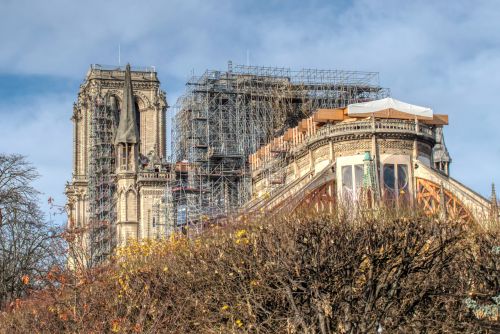
In many European cities, former factories, warehouses, and industrial buildings are now being transformed into cultural centers, office spaces, or modern residential areas. The reconversion of these buildings has become one of the most visible trends in contemporary urban planning and contributes to the revitalization of urban zones that have lost their original economic function.
The transformation of industrial buildings into modern spaces is driven by both economic considerations and sustainability objectives. Reusing existing structures reduces the consumption of construction materials and the energy required for new developments, helping to lower the environmental impact associated with large-scale construction projects.
At the same time, these buildings often offer unique architectural characteristics: large open interiors, exposed brick walls, metal structures, and industrial elements that can be integrated into contemporary design concepts. This combination of heritage architecture and modern design is increasingly appreciated by both companies and residents.
Numerous European examples illustrate the success of this urban development model. The Tate Modern area in London, created from a former power station, or the Zollverein cultural district in Germany, developed within the structure of a former mining complex, demonstrate how industrial buildings can become cultural and tourist landmarks.
In many cities, the reconversion of old buildings also contributes to the development of creative ecosystems. The resulting spaces are often used by start-ups, design studios, art galleries, or companies in the creative industries, generating new economic activity and revitalizing previously underutilized areas.
For cities in Romania, where numerous former industrial platforms remain unused, urban reconversion represents a major development opportunity. Through well-planned projects, these spaces can be transformed into dynamic urban districts that preserve the historical identity of the location while adapting it to the economic and social needs of the present.
(Photo: Freepik)
aflat
read