778

autor
infoConstruct
distribuie


publicat
2026 March 02
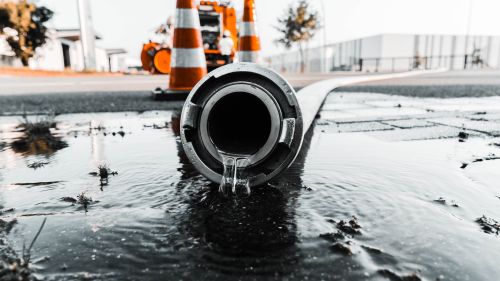
Water and wastewater infrastructure is one of the least visible yet most essential components of economic development. According to Eurostat data and European Commission reports, Romania remains below the EU average in terms of population connected to sewerage networks and compliant wastewater treatment plants.
Investments in this sector are supported through European funds (the Sustainable Development Programme 2021–2027 and other structural instruments), yet the modernization needs remain substantial. Many networks were built in the 1970s and 1980s and record high levels of drinking water losses, estimated at over 30% in certain local systems, according to data from the utilities sector.
Chronic underfinancing and the fragmentation of regional operators limit the capacity for accelerated modernization. In addition, rising energy and construction material costs are putting pressure on the budgets allocated to expansion and rehabilitation projects.
The economic impact of deficient infrastructure is significant: private investments in industry and real estate developments depend on access to utilities, while compliance with European directives on urban wastewater carries the risk of penalties in case of non-implementation.
The “silent bomb” lies not only in environmental risks but also in indirect economic losses. Without accelerating investments and consolidating regional operators, the gap compared to European standards will persist, affecting regional competitiveness and investment attractiveness.
(Photo: Freepik)
aflat
read