879

autor
infoConstruct
distribuie


publicat
2026 February 11
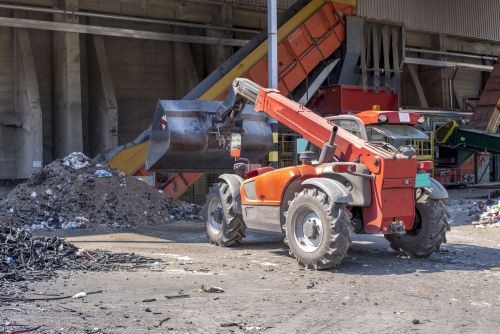
The circular economy is beginning to transform the construction industry, and the reuse of materials from demolitions is becoming an increasingly important practice in Europe.
The traditional model—demolition and disposal—is gradually being replaced by controlled dismantling and component recovery. Concrete, metal, wood, and glass can re-enter the economic cycle.
The benefits are significant: reduced transport costs, lower consumption of raw materials, and a smaller carbon footprint. At the same time, a secondary market for reusable materials is emerging.
Digital technologies allow resource inventorying from the design phase. 3D scanning and dedicated databases facilitate reuse.
However, there are barriers: the lack of clear standards, logistical costs, and investor reluctance, as many still prefer new materials for predictability and warranties.
European legislation and green financing are driving this transition, and public projects increasingly include circularity criteria.
In the medium term, buildings will be designed for dismantling rather than demolition. Material reuse is no longer just a sustainable option, but a strategic direction for reducing costs and environmental impact.
(Photo: Freepik)
aflat
read