868

autor
infoConstruct
distribuie


publicat
2026 January 13
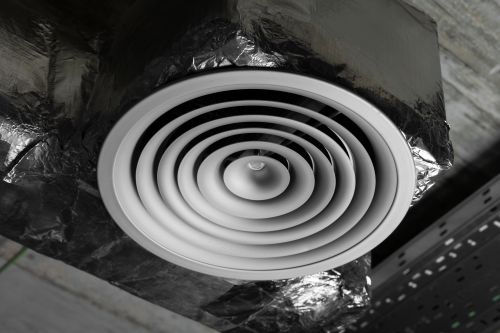
Residential ventilation systems have traditionally been designed on the assumption that kitchens are used frequently for cooking. Increasingly, however, many urban apartments contradict this premise: cooking is reduced, and the kitchen becomes a decorative or multifunctional space.
This shift creates a mismatch between the calculated ventilation and what is actually needed. Range hoods are rarely used, air flow rates are not reached, and centralized systems operate inefficiently. In energy-efficient buildings, such oversizing translates into energy losses and unnecessary costs.
From a technical standpoint, the issue is not a lack of ventilation, but a lack of adaptability. Rigid solutions no longer correspond to variable patterns of use. Systems with humidity and volatile compound sensors, demand-controlled ventilation, or adjustable modules can deliver real performance, not just theoretical compliance.
For nZEB buildings, aligning building services with the actual use of space becomes essential. Ventilation can no longer be designed solely on the basis of classical standards, but must take into account the evolution of living patterns.
Adapting building systems to the reality of use is one of the major challenges of contemporary residential design—and one that remains insufficiently discussed.
(Photo: Freepik)
aflat
read