759

autor
infoConstruct
distribuie


publicat
2026 January 20
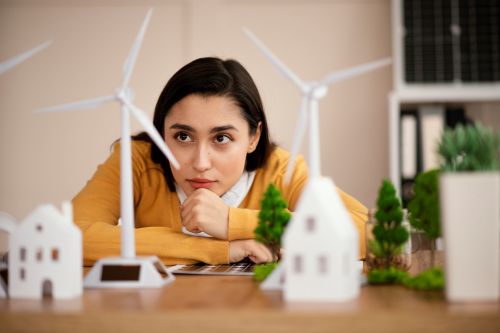
Over the past decade, nearly zero-energy buildings (NZEBs) have become a standard objective in the European Union: they combine stringent thermal efficiency requirements with the use of energy from renewable sources in order to significantly reduce the energy needed for their operation.
However, as climate targets and sustainability requirements continue to evolve, the concept of the regenerative building is emerging as the next step beyond NZEB. This is not merely about reducing energy consumption or neutralizing emissions: regenerative buildings are designed to have a net positive impact on the environment and the community. In practice, they do not simply stop polluting, but actively seek to regenerate ecosystems, improve air and water quality, and contribute to biodiversity.
Key elements of regenerative construction include integrated energy, water, and soil systems that create closed-loop cycles: rainwater harvesting and filtration, ecological management of greywater, the integration of vegetation and natural habitats on or around the building, as well as the use of local, regenerative materials capable of sequestering carbon rather than emitting it into the atmosphere.
For example, the concept can be applied to buildings that generate more energy than they consume, as well as to developments that restore degraded soils, support pollinators, or facilitate urban agriculture. This transforms buildings from simple “places to occupy” into active ecosystems.
In essence, while NZEBs focus on energy performance, regenerative buildings focus on ecological and social performance, combining technology, nature, and community in a way that goes beyond neutrality and works toward the healing of both the built and natural environment.
(Photo: Freepik)
aflat
read