1018

autor
infoConstruct
distribuie


publicat
2025 December 10
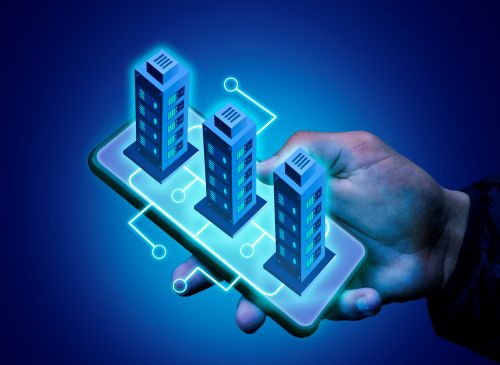
The PNRR programs for 2024–2026 are accelerating the modernization of public buildings in Romania, especially city halls, local agencies, and administrative institutions. The new technical requirements and European pressure on energy efficiency are driving the emergence of a new generation of administrative buildings: digitalized, well insulated, and monitored in real time.
1. Nearly Zero-Energy Buildings (NZEB) – mandatory standard All major renovations funded through the PNRR must reach NZEB performance. This means:
- high-performance thermal insulation systems,
- triple-glazed windows with high airtightness,
- mechanical ventilation with heat recovery,
- elimination of thermal bridges.
Estimated savings for public institutions reach 40–60% in heating and cooling costs.
2. Massive digitalization of buildings – from sensors to Digital Twin 2025–2026 marks the transition to “smart” administrative buildings. The most common features will be:
- IoT sensors for temperature, humidity, CO₂,
- real-time energy consumption monitoring systems,
- centralized building management platforms (BMS),
- the first pilot projects using Digital Twin, allowing the tracking of structures and installations in digital format.
Digital Twin enables rapid simulations, fault identification, and verification of energy efficiency without physical interventions.
3. Photovoltaic panels and storage solutions Most approved projects include the installation of 30–100 kW photovoltaic systems, along with smart inverters and, in some cases, batteries for internal consumption. The result: a 20–40% reduction in dependence on the electrical grid.
4. Modern systems for climate and comfort The new administrative buildings will integrate:
- air-to-water heat pumps,
- smart LED lighting with presence sensors,
- AI-optimized HVAC systems,
- indoor air quality monitoring.
These elements reduce consumption while increasing comfort for employees and citizens.
5. Flexible spaces and accessibility The PNRR encourages interior redesign to achieve:
- more efficient public flow,
- multifunctional areas,
- easy access for people with disabilities,
- modular furniture and improved ergonomics.
What will the public institution of 2026 look like? A modernized administrative building will be:
- energy efficient,
- fully digitalized,
- easy to maintain,
- monitored 24/7,
- prepared for integration with e-governance platforms.
For local administrations, this modernization is not just construction work but a profound shift in how they operate and interact with citizens.
(Photo: Freepik)
aflat
read