935

autor
infoConstruct
distribuie


publicat
2025 December 03
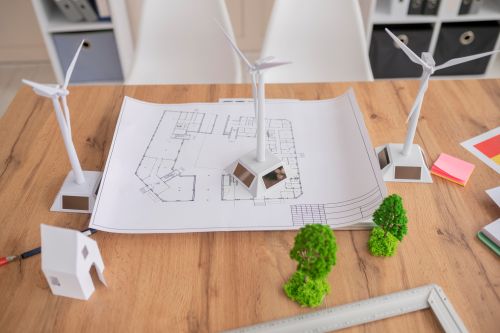
European regulations on building energy efficiency impose increasingly strict standards for developers in Romania. According to Directive (EU) 2018/844 and the 2024 updates, all new buildings must be “nearly zero-energy buildings” (nZEB), while existing buildings undergoing major renovation must achieve high energy-efficiency classes.
In Romania, the implementation of these requirements remains uneven. According to the Ministry of Development, only 42% of building permits issued in 2024 for residential constructions fully complied with nZEB requirements. This gap is explained by the additional costs associated with high-performance materials, heat-recovery ventilation systems, and solar panels or heat pumps.
On the other hand, European and national funds increasingly support the energy transition in construction. Through the National Recovery and Resilience Plan and the Renovation Wave Fund, more than EUR 1.5 billion have been allocated until 2026 for thermal rehabilitation and energy efficiency improvements of public and residential buildings.
Compliance with the new requirements is becoming mandatory for accessing permits, funding, and certifications. At the same time, investments in energy efficiency offer long-term benefits: lower operating costs, increased comfort, and added value for property owners.
(Photo: Freepik)
aflat
read