679

autor
infoConstruct
distribuie


publicat
2026 January 26
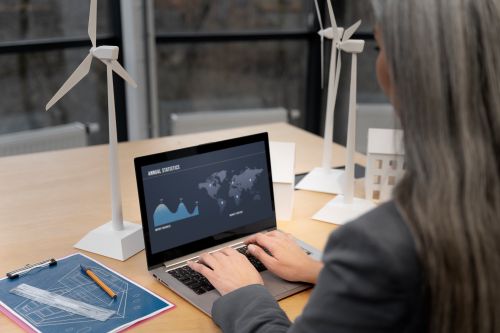
In energy efficiency assessments, the end user is often treated as a neutral variable. Calculation models assume standardized behavior, fixed schedules, and predictable use of spaces. Operational reality frequently contradicts these assumptions.
The way a building is used directly influences energy consumption. Manual adjustments of HVAC systems, frequent window opening, intensive use of equipment, or changes in operating schedules can quickly negate the savings estimated at the design stage.
The lack of user training amplifies the problem. Without a clear understanding of how the building functions, occupants tend to “push” it for immediate comfort, ignoring the efficiency logic embedded in the system. Isolated adjustments become permanent, and consumption increases.
In addition, operational feedback is rarely collected and analyzed. Without real data and without correlating user behavior with energy performance, problems are attributed exclusively to the design or the equipment.
Energy efficiency is not only a matter of technology. It is the result of the interaction between the building and its users. As long as this factor remains ignored in design and operation, the gap between calculated and actual performance will persist.
(Photo: Freepik)
aflat
read