1027

autor
infoConstruct
distribuie


publicat
2025 December 11
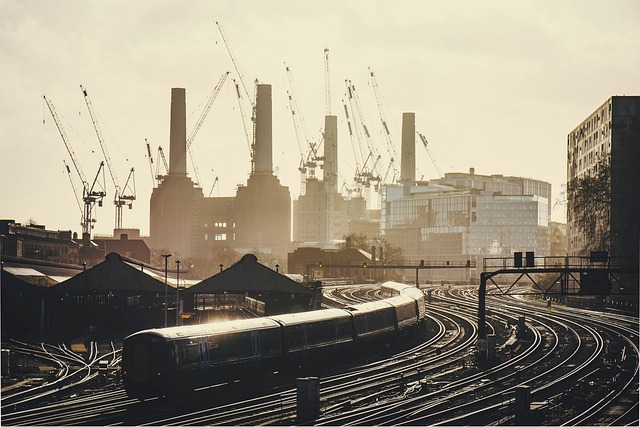
The urban heat island (UHI) phenomenon—the excessive warming of urban areas compared to rural zones—has become visible in nearly all major cities in Romania. Bucharest, Timișoara, Craiova, Iași, and Constanța frequently record urban temperatures 4–7°C higher during summer, especially in dense areas with old roofs, extensive asphalt surfaces, and limited vegetation. In Southern Europe, urban planning responses to these issues are accelerating: the large-scale implementation of cool roofs and high–solar-reflectance façades. In Romania, however, the topic remains almost absent from public debate and municipal projects.
What are “cool roofs” and why do they matter?
A cool roof is a surface treated or made from materials with:
- high albedo — reflecting a large share of solar radiation,
- optimized thermal emissivity — radiating absorbed heat back into the atmosphere,
- low absorptance — preventing thermal energy accumulation in the building structure.
These materials—white membranes, coatings with special pigments, ceramic panels, treated metal roofs, photocatalytic finishes—can reduce roof surface temperatures by 20–40°C on heatwave days. Indoors, spaces beneath the roof can be 2–6°C cooler without additional energy consumption.
Why are they essential for Romanian cities?
Romania is warming faster than the global average, and recent summers have revealed the limits of existing infrastructure. An increasing number of administrative buildings, hospitals, schools, and residential blocks rely heavily on air conditioning, leading to:
- overloading of electrical grids during peak demand,
- high costs for residents and public institutions,
- amplification of the UHI effect (air-conditioning systems expel heat outdoors).
Applying passive technologies such as cool roofing can reduce cooling demand by 10–25% in buildings directly exposed to sunlight. For schools and public institutions—many operating under tight budgets—the benefits are immediate and measurable.
Which technologies are used in Southern Europe?
Countries such as Italy, Greece, Spain, and Portugal have introduced local programs dedicated to cool roofs over the past decade. The most common solutions include:
1. High–solar-reflectance paints and membranes Formulated with special pigments (typically white metal oxides or broad-spectrum pigments), these can achieve Solar Reflectance Index (SRI) values above 80–90%.
2. Reflective ceramic or composite panels Systems used on administrative buildings and commercial centers, offering high durability against UV radiation and pollution.
3. Metal roofs with reflective coatings Widely applied in industrial projects, reducing overheating in warehouses and logistics buildings.
4. Façades with photocatalytic coatings Based on titanium dioxide, these coatings not only reflect heat but also reduce atmospheric pollutants.
In cities such as Athens or Seville, these solutions are applied both in public renovations and residential buildings, becoming part of climate adaptation strategies.
The situation in Romania: hesitant beginnings
Although local and international manufacturers offer cool roofing systems, adoption remains low due to:
- lack of awareness among local authorities,
- absence of fiscal or financial incentives,
- the misconception that white solutions quickly become dirty in urban environments,
- initial costs (despite payback periods of 2–4 years through energy savings).
Currently, the most frequent applications are found in the industrial sector—logistics halls, warehouses, production facilities—and only sporadically in public projects.
Concrete benefits for Romanian buildings
- Reduced cooling costs: For older apartment blocks, schools, and administrative buildings, lower indoor temperatures can cut summer electricity consumption by significant percentages.
- Extended roof lifespan: Lower temperatures reduce material expansion, cracking, and degradation of waterproofing membranes.
- Improved thermal comfort: Buildings under constant thermal stress become more comfortable even without air conditioning.
- Positive urban-scale impact: If just 25% of a large city’s roofs were converted to cool roofs, climate models indicate an average ambient temperature reduction of 1–1.5°C during heatwaves.
What should Romanian cities do?
Southern European experience points to three effective directions:
- Local regulations: introducing minimum albedo requirements for renovated or newly built public buildings.
- Pilot programs for public institutions: schools, hospitals, high schools—the most affected by overheating.
- Information campaigns and financial support: tax deductions, local grants, or inclusion in existing energy-efficiency programs.
Cool roofing is not merely an architectural trend, but a mature, proven, and accessible technology, capable of immediately reducing urban temperatures and energy consumption. For Romania—already entering the early stages of climate transition—integrating solar-reflective roofs into municipal strategies could become one of the most effective passive measures against increasingly intense heatwaves.
It is time for Romanian cities to turn this unjustly overlooked solution into a core pillar of modern urban infrastructure.
(Photo: Pixabay)
aflat
read