965

autor
infoConstruct
distribuie


publicat
2025 December 08
In recent years, the concept of self-healing construction materials—capable of repairing themselves—has gained significant traction in international research. Bacterial concrete, induction-activated steel-fiber asphalt, and epoxy resins with microcapsules are among the most promising innovations expected to drastically reduce infrastructure maintenance costs.
How does self-healing concrete work?
The most advanced example is concrete containing Bacillus bacteria which, when exposed to air and moisture, produce calcium carbonate that seals newly formed microcracks. This technology is currently used experimentally in the Netherlands and the United Kingdom, particularly in bridges and tunnels.
Major advantages for Romania
Romania faces chronic infrastructure issues: premature cracking, high exposure to freeze–thaw cycles, and limited maintenance budgets. Self-healing materials could deliver:
- a 30–50% increase in the service life of bridges and roads;
- significant savings on maintenance, especially in rural and mountainous areas;
- reduced repair times, resulting in fewer traffic disruptions.
Implementation challenges
Current costs remain relatively high, and Romania does not yet have dedicated laboratories to test these materials under local environmental conditions. However, several technical universities in Cluj, Timișoara and Bucharest have initiated preliminary studies.
Self-healing materials are not only an impressive innovation—they offer a practical solution that could ease the financial pressure on public infrastructure budgets. Romania is at an opportune moment to launch its first pilot projects.
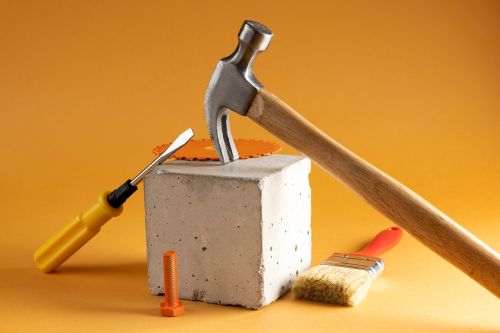
(Photo: Freepik)
aflat
read