896

autor
infoConstruct
distribuie


publicat
2025 December 09
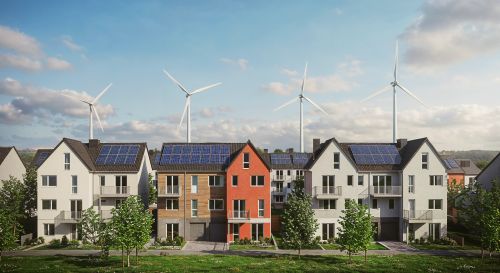
Local microgrids are becoming a major trend in modern urban development: residential complexes that produce part of their own energy through photovoltaic panels, use shared battery storage systems, and manage consumption through an intelligent control platform.
This model allows communities to reduce their overall energy costs and increases resilience in the event of interruptions in the national grid. In many European countries, such microgrids are already used in new neighborhoods, where households share locally produced energy and optimize consumption based on time of day and demand.
For Romanian developers, the advantages are clear: a residential project equipped with a microgrid becomes more attractive to buyers, and in the long term the homeowners’ association can significantly reduce its energy bills, depending on the installed capacity. The initial investment is modular and can be expanded — for example, with additional batteries or charging stations for electric vehicles.
The transition toward microgrids could become an essential component of new real estate projects, especially in the context of Europe’s energy transition and the growing interest in energy-efficient housing.
(Photo: Freepik)
aflat
read