783

autor
infoConstruct
distribuie


publicat
2025 November 25
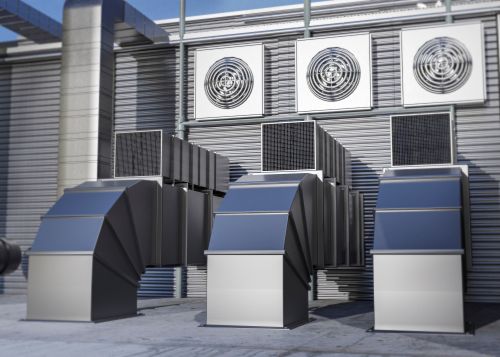
Passive cooling systems are becoming an efficient solution for residential and administrative buildings amid increasingly frequent heatwaves. According to the European Environment Agency, extreme temperatures in Europe have led to a growing demand for non-mechanized cooling solutions, such as natural ventilation, strategic shading and materials with high thermal inertia.
In Romania, the new NZEB Building Design Code encourages the use of these systems to reduce energy consumption by up to 30%, without major investments. According to INS, 8% of the buildings completed in 2024 were equipped with at least one passive cooling system.
Examples include green roofs, high thermal mass walls and natural ventilation directed through convection currents. These not only reduce indoor temperatures by 3–5°C, but also contribute to increasing the lifespan of buildings. The integration of such solutions into new projects is supported by the technical guidelines of the Ministry of Agriculture and Rural Development (MADR) and by European energy efficiency programs.
(Photo: Freepik)
aflat
read