811

autor
infoConstruct
distribuie


publicat
2025 November 11
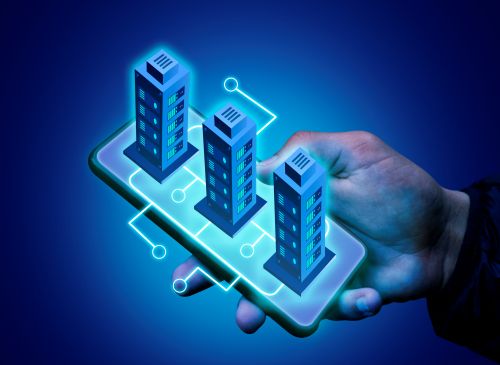
Reducing energy consumption in commercial buildings has become a priority within urban sustainability strategies, especially in the context of new European regulations on energy efficiency. According to the European Commission (2024), the construction sector accounts for approximately 40% of total energy consumption in the European Union, with commercial buildings representing a significant share.
Modern solutions focus on automated Building Energy Management Systems (BEMS), smart LED lighting, dynamic façades, and the integration of renewable energy sources. Studies conducted by the Joint Research Centre (JRC) show that implementing these solutions can reduce annual energy consumption by 30–50%, with an average investment payback period of 5–7 years.
In Romania, energy efficiency projects for commercial buildings benefit from support through the National Recovery and Resilience Plan (PNRR) and the Modernization Fund. In 2024, the Ministry of Energy approved funding of over €180 million for such investments. In addition, integrated digital platforms enable real-time consumption monitoring and automatic adjustment of operating parameters.
Energy efficiency is no longer optional, but an essential criterion for the economic viability of commercial buildings. Investing in smart solutions reduces operating costs, increases the market value of buildings, and contributes to Romania’s climate objectives under the European Green Deal.
(Photo: Freepik)
aflat
read