641

autor
infoConstruct
distribuie


publicat
2026 March 16
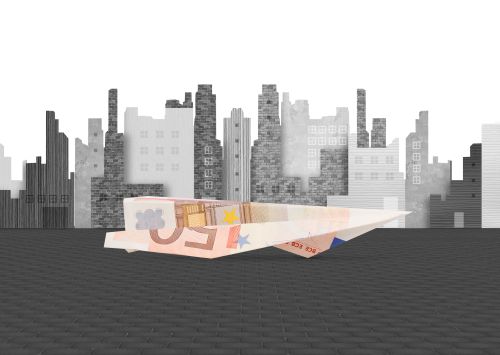
In the construction industry, attention is often focused on the cost of building a structure: materials, labor, design, and the duration of execution. However, for investors and developers, the real cost of a building does not end when construction is completed.
Over the life cycle of a building, operational costs can become even more significant than the initial investment. Expenses related to energy, system maintenance, technical management, or periodic upgrades accumulate over a period of 20–30 years and can exceed the original construction cost.
For this reason, an increasing number of real estate projects are analyzed through the concept of “Total Cost of Ownership” (TCO). This model takes into account not only the initial investment, but also the long-term operational expenses.
Buildings designed with energy-efficient systems, durable materials, and modern installations can significantly reduce operating costs. For example, smart building management systems, efficient lighting, and optimized HVAC installations help reduce energy consumption and keep expenses under control.
At the same time, buildings with lower operational costs become more attractive to tenants and investors, as they provide financial stability and long-term predictability.
Therefore, in modern real estate projects, the success of an investment is no longer determined solely by construction costs, but by the economic performance of the building throughout its entire life cycle. The invisible cost of operation thus becomes a central factor in the strategic decisions of investors in the construction sector.
(Photo: Freepik)
aflat
read