597

autor
infoConstruct
distribuie


publicat
2026 March 16
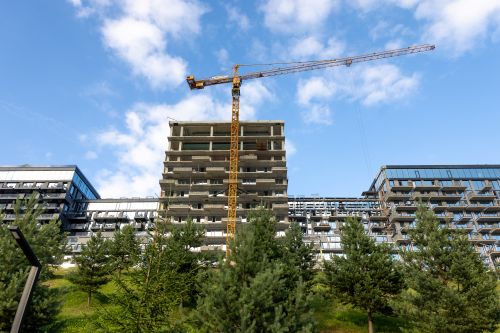
In many European cities, the focus of urban development is gradually shifting from entirely new constructions toward the modernization of the existing building stock. Buildings erected in the 1960s–1990s or even earlier now represent a significant part of the urban landscape, and many of them require structural rehabilitation, energy efficiency upgrades, or adaptation to new usage standards.
Specialists in the construction sector emphasize that renovation is becoming an increasingly important market for several reasons. First, land available for new developments is becoming increasingly limited in the central areas of major cities. Second, European legislation places growing emphasis on reducing energy consumption and improving the energy performance of existing buildings.
Public programs dedicated to energy rehabilitation and European funds aimed at improving energy efficiency are helping to accelerate this process. Thermal insulation, the modernization of technical installations, window replacement, or the installation of renewable energy systems are becoming increasingly common in renovation projects.
At the same time, the modernization of existing buildings can also bring economic and urban benefits. Renovation allows the use of existing infrastructure, reduces the resource consumption associated with new construction, and contributes to the revitalization of consolidated urban areas.
For developers and investors, rehabilitation projects are therefore becoming a strategic opportunity. In many cases, upgrading an existing building can generate economic returns comparable to or even higher than those of new developments.
In the context of European objectives related to energy efficiency and sustainability, the renovation of the existing building stock is emerging as one of the most important construction challenges of the coming decades.
(Photo: Freepik)
aflat
read